Camp Twin Lakes: Cultivating Connection Through Farming and Nature
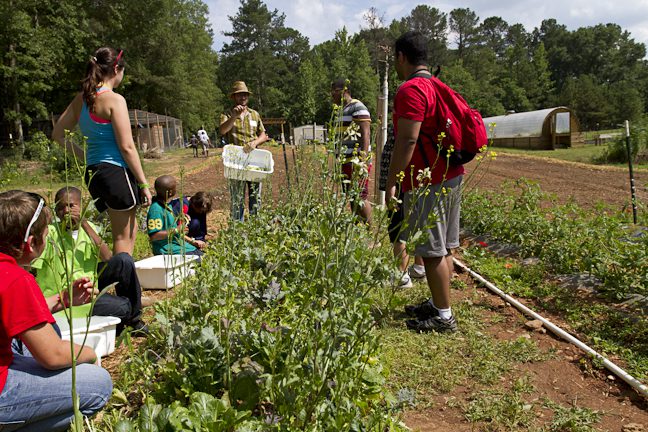
How a farm-centered vision became a lasting place for learning, stewardship, and connection for children facing serious life challenges.
Location: Rutledge, Georgia
Client: Camp Twin Lakes
Project Partners: Village Habitat Design
Farmer D Engagement: Early farm planning (2010)
Project Type: Nonprofit Educational Farm & Farm-Based Community Planning
Project Scale: 201-acre expansion property studied
Services: Agricultural Visioning & Master Planning · Stakeholder Charrette · Farm Program Strategy · Farm-Based Village Concept Planning
PROJECT OVERVIEW
Camp Twin Lakes provides adaptive camp experiences for children and young people living with serious illnesses, disabilities, and other life challenges.
At the organization’s Rutledge campus, a new land acquisition created an opportunity to introduce a working educational farm into the camp experience. The goal was to give campers direct experiences with food, animals, nature, and stewardship through hands-on activity.
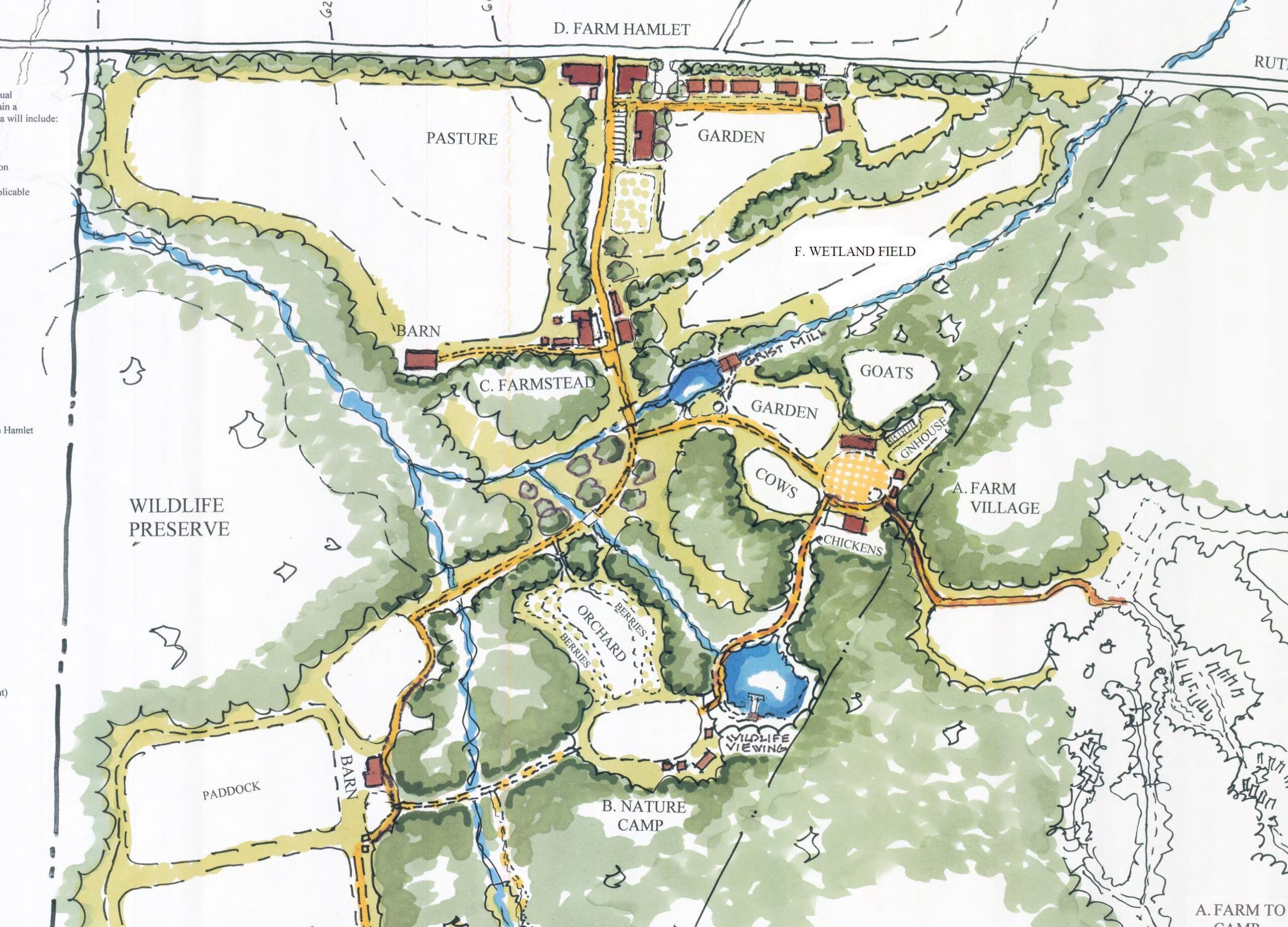
Farmer D Consulting and Village Habitat Design worked with Camp Twin Lakes leadership to explore an integrated vision for a teaching farm, a farm camp, and a potential future farming hamlet for adults with developmental disabilities. The farm moved forward; the adult village remained a longer-term concept.
Baldwin Farm opened in 2015 and continues to be featured in Camp Twin Lakes’ programming today.
THE VISION
The vision was to make food and farming part of the camp’s everyday opportunities for discovery and belonging.
The original planning brief described a teaching farm that could offer meaningful educational and therapeutic experiences to campers, staff, and families. Gardens, nutrition, sustainable growing practices, and contact with the land would complement Camp Twin Lakes’ existing recreational and supportive programs.
Alongside the teaching farm, the team considered a future farm-based village where adults with developmental disabilities could find opportunities for housing, purposeful work, and community life. That longer-range idea helped shape the larger land vision, but should not be confused with the realized farm.
THE CHALLENGE
The task was to turn a broad, inspiring agricultural idea into a place that could serve campers with varied abilities and needs.
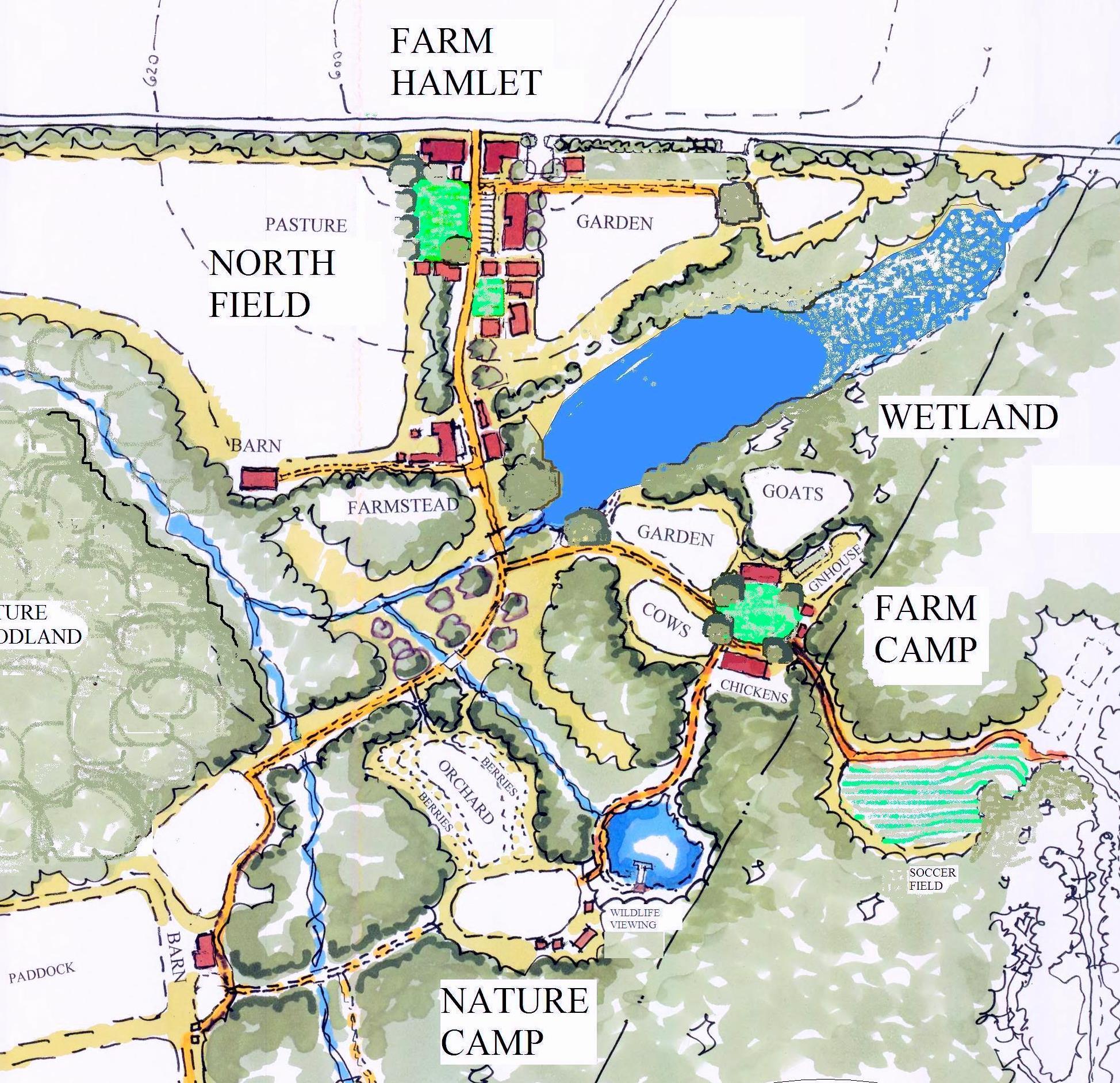
The team needed to consider educational programming, farm operations, accessible engagement, phasing, and the relationship between farm activities and the wider camp. At the same time, the broader master planning explored how new land could support the camp’s long-term ambitions without requiring every element to be built at once.
OUR APPROACH
Farmer D Consulting and Village Habitat Design facilitated a stakeholder planning charrette and developed an agricultural master planning framework for the new land.
The work considered farm production, gardens, animal experiences, nature-based learning, and the practical sequence of starting and growing an educational farm. It connected the physical farm plan to the people and programming required to bring it into camp life.
As part of the broader village exploration, Farmer D organized a learning trip with then-director Eric Robbins to visit Camphill communities in the northeastern United States. The trip informed thinking about agriculture, meaningful work, and inclusive community living. The precise influence of those visits on the final plan can be further documented with Eric.
THE OUTCOME
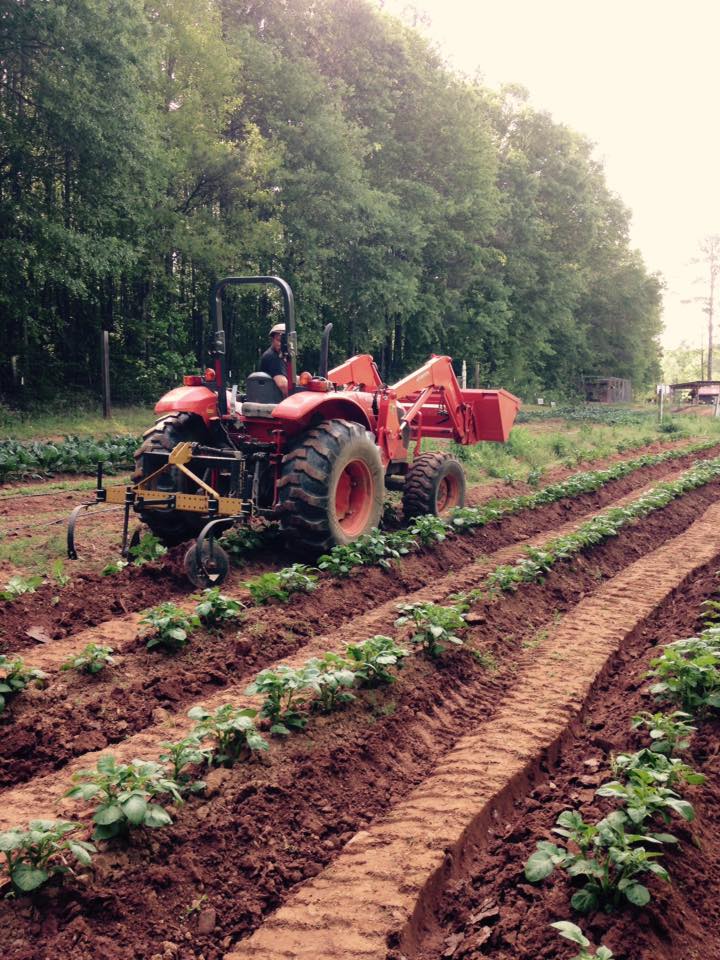
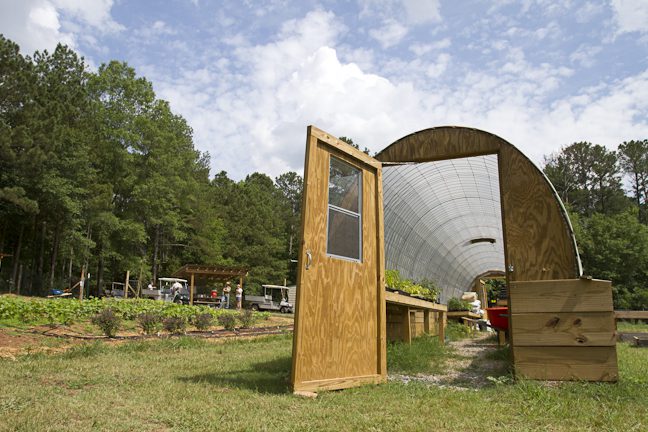
The agricultural vision took root in Baldwin Farm, which Camp Twin Lakes reports opened in 2015.
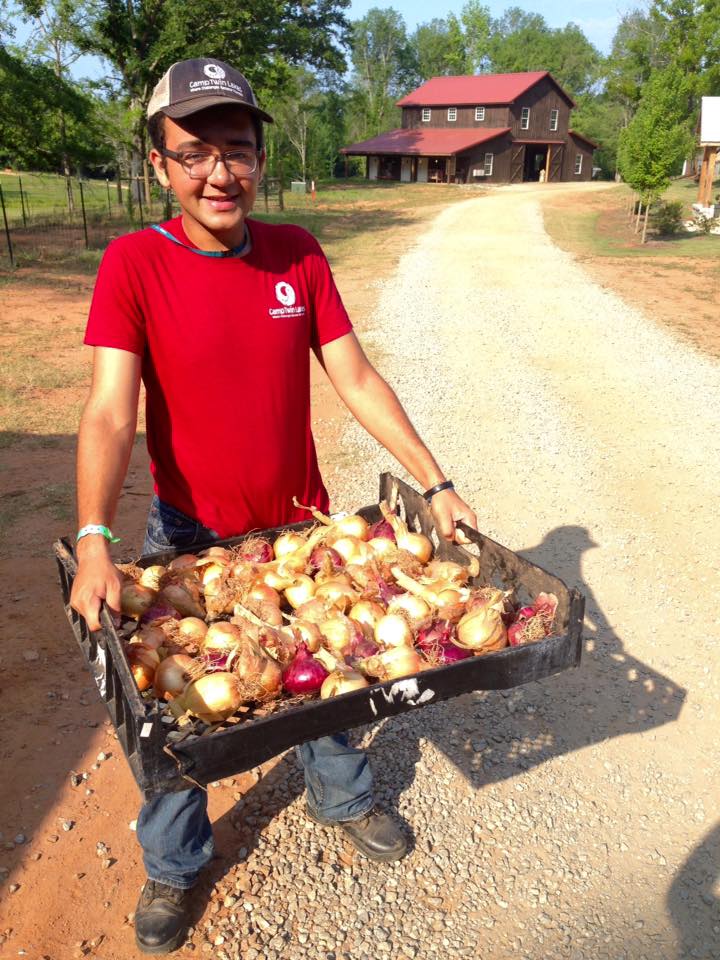
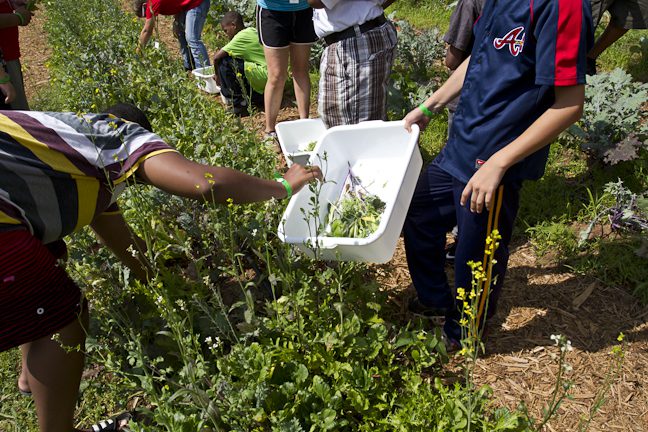
Today, Camp Twin Lakes describes Baldwin Farm as a place for hands-on experiences in gardening, nutrition, environmental stewardship, and sustainability, including opportunities to taste farm-fresh food. Both Rutledge campus pages identify it as part of the camp experience.
The organization’s 2019–2025 strategic plan also described farm programming being leveraged across its two Rutledge campsites, underscoring the farm’s role as shared educational infrastructure.
PROJECT IMPACT
Camp Twin Lakes shows how a working farm can become more than a recreational activity: it can offer a durable connection between food, education, nature, and an organization’s mission.
More than a decade after the early planning process, Baldwin Farm remains part of the organization’s camp experience. Camp Twin Lakes’ 2024 impact report discusses farm-based learning about plant life cycles as one of the ways campers develop skills and connection during camp.
The farm’s continued presence reflects the commitment of Camp Twin Lakes’ leadership, staff, donors, and community partners who carried the work forward after the original planning engagement. We hope to enrich this story with a firsthand reflection from former director Eric Robbins.
WHAT THIS PROJECT TEACHES
Start with mission, not amenities. Agricultural programs are most valuable when they advance the experiences an organization is already committed to providing.
Plan for growth over time. A larger land vision can inform early decisions without requiring every proposed component to be built immediately.
Stewardship makes the difference. Drawings establish a direction; ongoing leadership, operations, and programming bring the farm to life.
Sources and further reading: Camp Twin Lakes’ Rutledge-East campus; Rutledge-West campus; annual impact reports; original Farmer D / Village Habitat Design project materials. Draft to be reviewed for historical attribution and image permissions before publication.
